
Explore nourishment through food, herbs, movement, nature and body awareness with Anne-lyse
As the seasons change, our surroundings change with them. The light, temperature, plants and rhythms of daily life may all begin to shift.
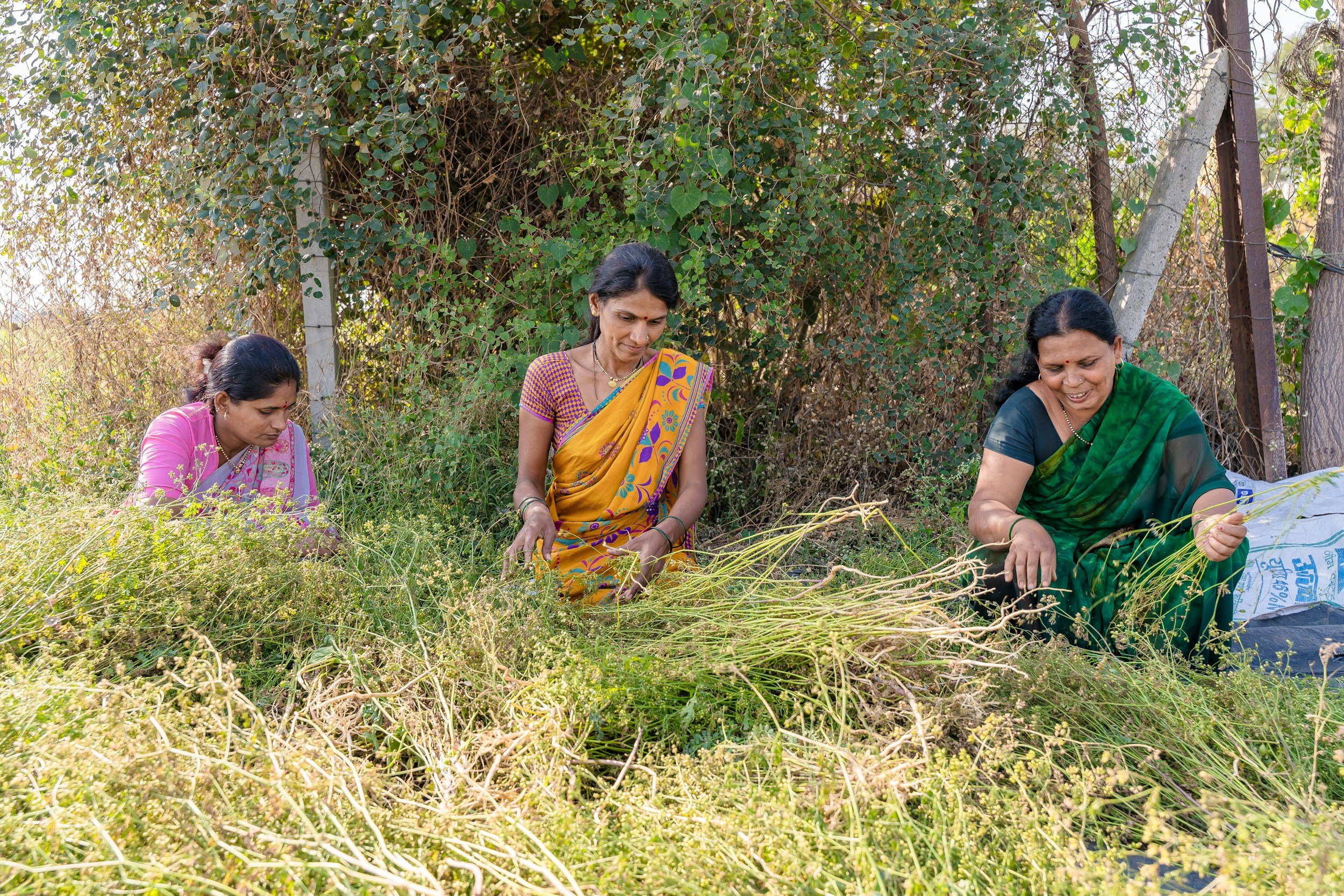
Across many cultures, seasonal transitions have traditionally been a time to gather, prepare food, preserve ingredients and share meals with others.
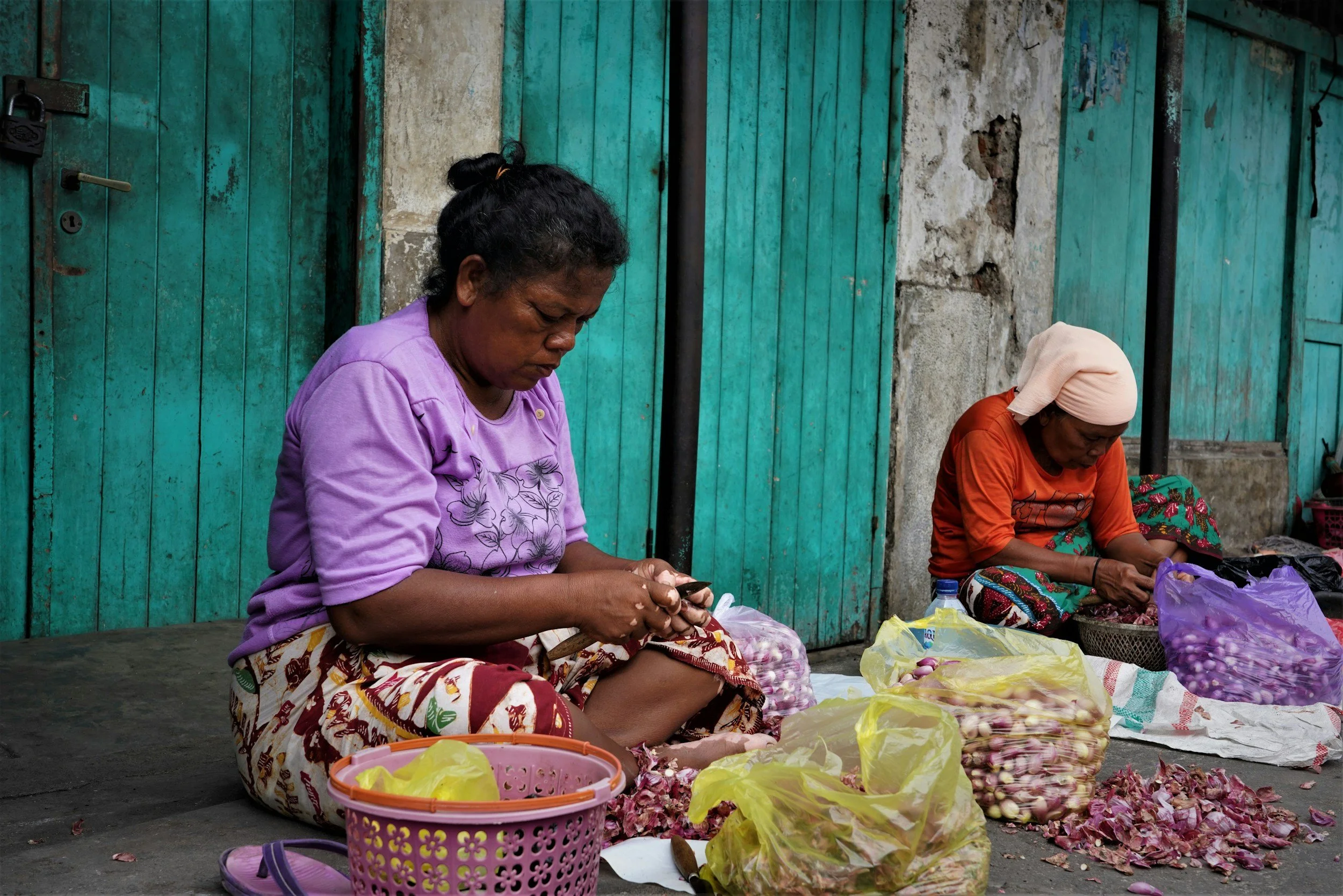
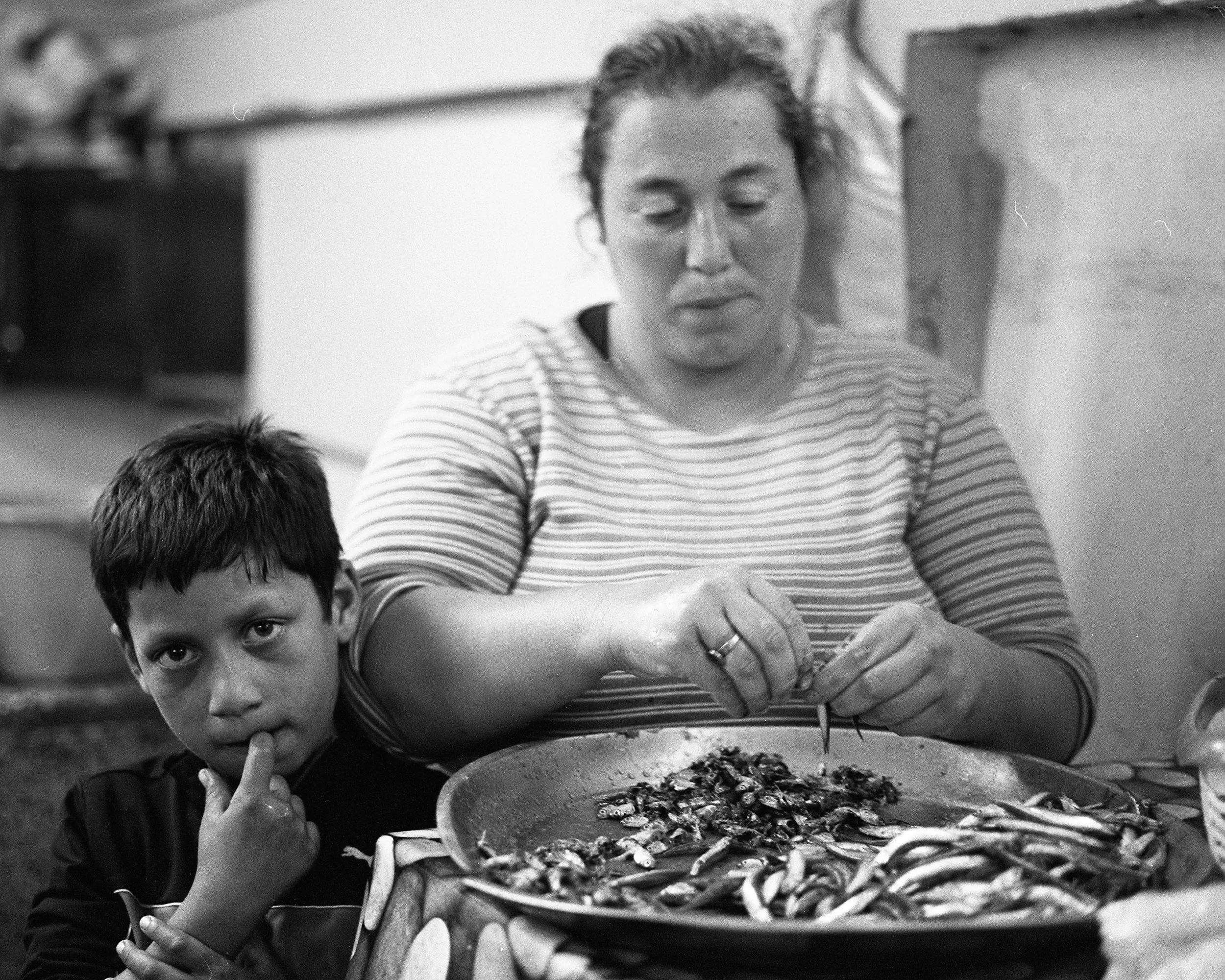
Nourishment isn't only about what we eat. It can also be rest, movement, pleasure, connection, creativity or simply having time to slow down.
The invitation is to discover what nourishes you.
But we don't all live in the same climate or experience the same seasons. Nourishment looks different depending on where we live, our culture, our traditions and our individual needs.
Where would you like to begin?
What does it mean to digest?
Digestion is the process through which our bodies break down food and absorb the nutrients we need.
Our digestive experience can be influenced by many things, including what we eat, how we eat, sleep, stress, movement, medication, health and our environment.
Here, we will explore some simple ways to support digestion, alongside different traditional perspectives.
You don't need to follow a particular diet or change everything about your routine. Start by noticing what works for you.
FOOD, AYURVEDA & DIGESTION
Understanding your own digestion
Ayurveda is a traditional system of health and wellbeing that originated in India. It offers a particular perspective on food, digestion, daily routines and the relationship between our bodies and our environment.
One Ayurvedic concept is Agni, often translated as “digestive fire”. In simple terms, it refers to the body's capacity to digest and transform what we take in.
Ayurveda also uses the word dosha to describe three patterns of qualities traditionally associated with the body and mind: Vata, Pitta and Kapha.

Vata is associated with movement, lightness and change.

Pitta is associated with heat and transformation.

Kapha is associated with stability, heaviness and moisture.
In Ayurvedic tradition, everyone has all three qualities in different proportions. These ideas are one traditional way of understanding individual differences, not medical diagnoses or fixed labels.
You don't need to know your dosha to explore any of the practices in this resource.
Your own experience, health, culture, climate and access to food matter too.
Get curious about your digestion
Over the next few days, you might notice:
When do you naturally feel hungry?
How do you tend to feel after eating?
Do you eat quickly or take your time?
Does stress affect your appetite or digestion?
What foods leave you feeling comfortable and satisfied?
Does your digestion change with your routine, environment or menstrual cycle, if relevant to you?
There are no right or wrong answers. The intention is simply to become more familiar with your own patterns, without judging them.
SIMPLE WAYS TO SUPPORT DIGESTION
You don't need a complicated routine. Small, practical habits may help you feel more comfortable around meals.
Eat at a comfortable pace.
Take time to chew and enjoy your food when possible.
Move gently.
A relaxed walk after eating can be a pleasant way to move your body.
Make space for meals.
If you can, step away from your phone or work while eating.
Drink enough fluids.
Your needs vary with your climate, activity and health.
Notice your own needs.
Hunger, fullness and comfort vary from person to person. You don't need to follow strict meal times or fasting routines.
Choose food that suits you.
Warm, cooked meals can feel comforting in cooler weather, while fresh, lighter foods may be more appealing in warmer conditions. Neither is automatically better for everyone.
Keep meals simple when that feels good.
Soup, rice, cooked vegetables, bread, legumes or familiar home-cooked meals can all be nourishing options.
These are possibilities to explore, not rules to follow perfectly.
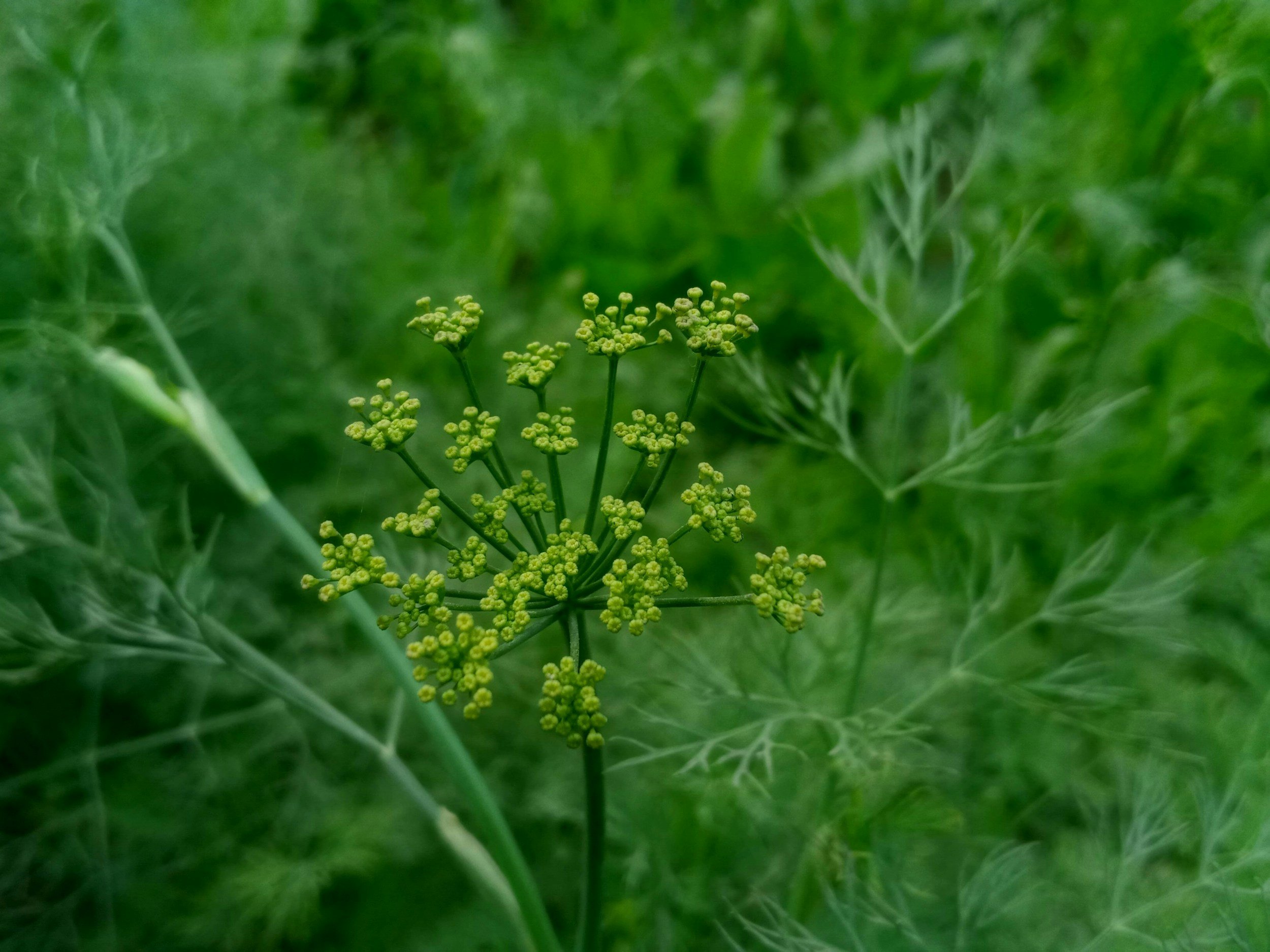
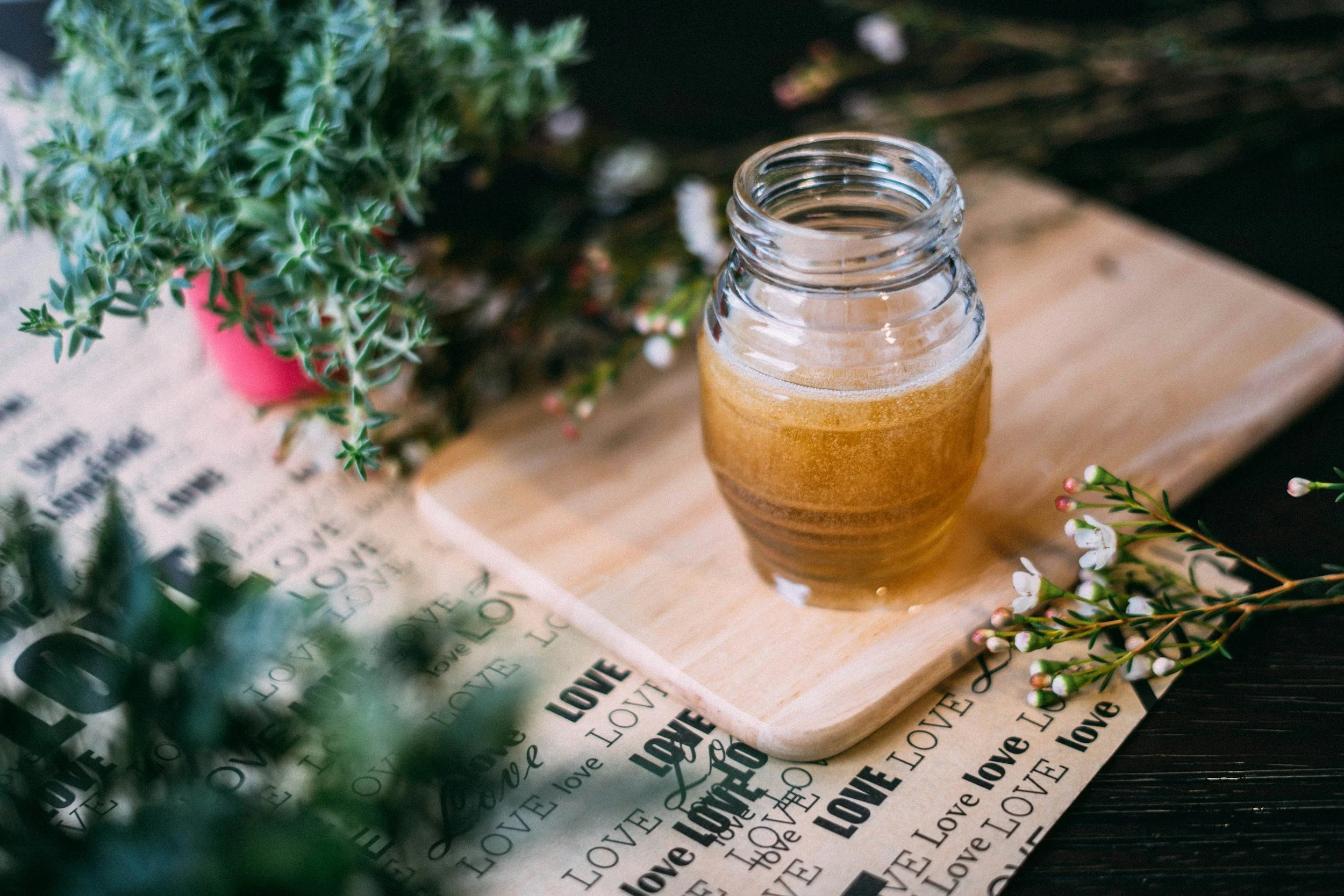
AN AYURVEDIC-INSPIRED DRINK
Cumin, Coriander & Fennel Infusion
This simple infusion combines three ingredients commonly used in Indian cooking and Ayurvedic traditions. They are also familiar in many other cuisines.
The result is an aromatic drink that you can enjoy warm or at a temperature that feels comfortable in your climate.
Ingredients
½ teaspoon cumin seeds
½ teaspoon coriander seeds
½ teaspoon fennel seeds
500–750 ml water
Method
Lightly crush the seeds with a mortar and pestle or the back of a spoon.
Place them in a teapot or heatproof jar.
Pour over freshly boiled water.
Cover and leave to infuse for 5–10 minutes.
Strain and enjoy.
A little about the ingredients
Cumin has an earthy, aromatic flavour and is widely used in cooking.
Coriander brings a fresh, gentle flavour to the blend.
Fennel has a naturally sweet, aromatic taste and is traditionally enjoyed after meals in many cultures.
This infusion is a traditional food and drink preparation, not a medical treatment. You can enjoy it simply because you like the taste, or choose another drink that is more familiar to you.
If you are pregnant, take medication or have a health condition, check with an appropriate healthcare professional before using herbal preparations regularly.
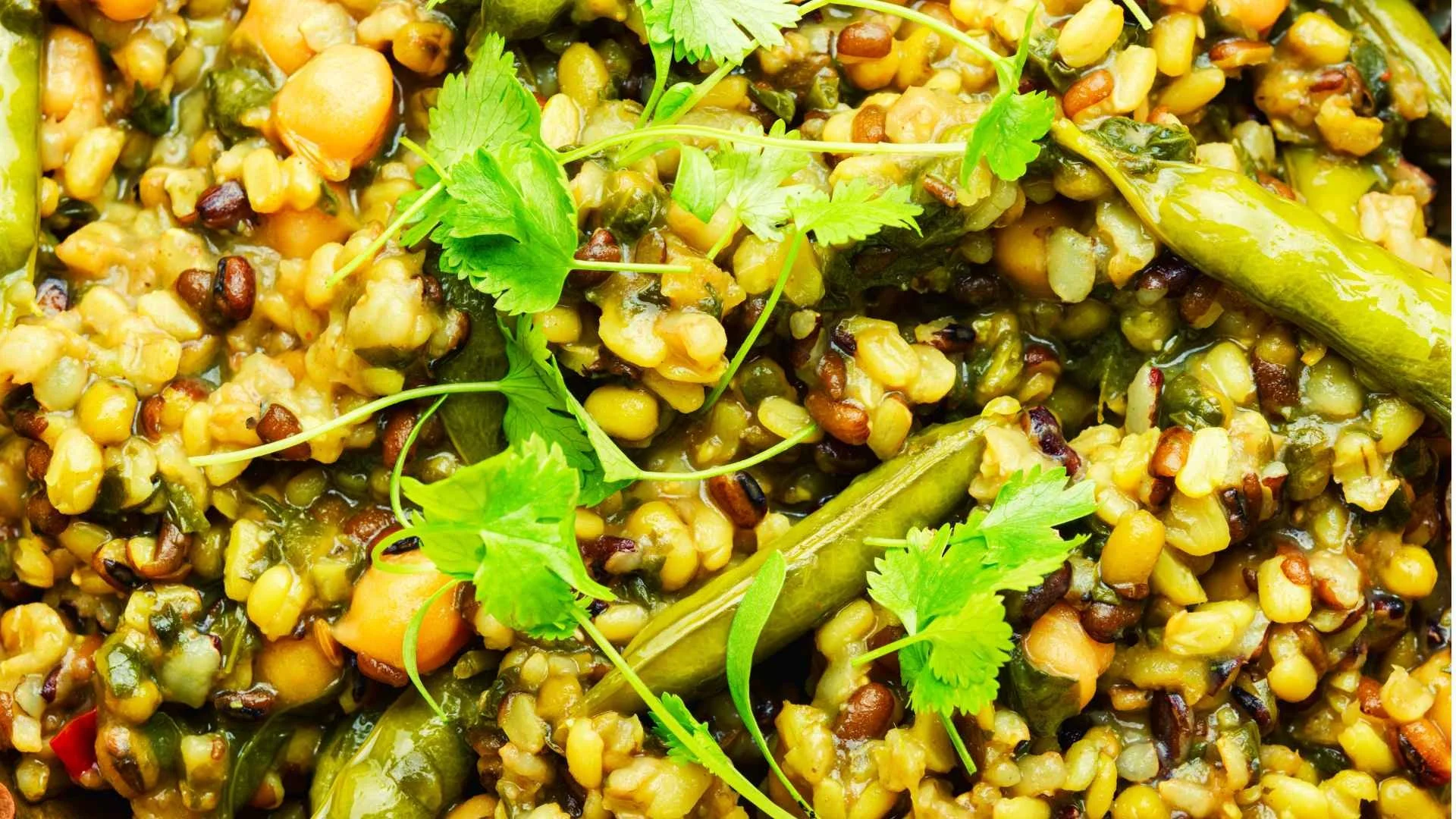
AYURVEDIC-INSPIRED FOOD
Kitchari — A Simple, Nourishing Bowl
Kitchari, also spelled khichdi or kichadi, is a traditional South Asian dish made with rice and mung dal, often cooked with spices and ghee.
There are many variations across regions and households. In Ayurvedic cooking, kitchari is appreciated as a simple, soft meal that can be adapted to individual needs.
You don't need to follow Ayurveda to enjoy it. Think of this recipe as an invitation to explore a traditional dish and make it your own.
You can adapt the vegetables, spices and cooking fat according to your preferences, local ingredients and dietary needs.
Autumn Kitchari
Serves 3–4
Ingredients
For the base
1 cup basmati rice
½ cup split yellow mung dal
5–6 cups water, depending on the consistency you prefer
1–2 tablespoons ghee or coconut oil
1 teaspoon cumin seeds
1 teaspoon coriander powder
½ teaspoon turmeric
1 small piece of fresh ginger, finely grated
Salt to taste
For the vegetables
Choose two or three vegetables that are available where you live. For example:
Carrot
Pumpkin or butternut squash
Sweet potato
Zucchini
Beetroot
Celery
You don't need to use all of them. Frozen vegetables can also work.
To finish, if you like
Fresh coriander
A little lemon or lime
A little extra ghee or oil
1. Soak the mung dal
Rinse the mung dal, then soak it in plenty of water for 30 minutes to a few hours.
Soaking softens the dal and can help it cook more quickly and evenly. Some people also find that soaked legumes are gentler on their digestion.
Drain and rinse the dal before cooking.
You can also soak the rice briefly, but this is optional.
2. Prepare the spices
Warm the ghee or oil in a large pot over a gentle heat.
Add the cumin seeds and let them become fragrant.
Add the ginger, coriander powder and turmeric. Stir gently for a few seconds, taking care not to burn the spices.
3. Add the rice and dal
Add the rinsed rice and soaked mung dal.
Stir so that the grains and dal become coated with the spices.
4. Add the vegetables and water
Add your chopped vegetables and the water.
Bring to a gentle boil, then reduce the heat and simmer slowly.
5. Cook until soft
Cook for approximately 30–45 minutes, stirring occasionally, until the rice, dal and vegetables are very soft.
Add more hot water if you prefer a thinner, soup-like consistency.
Season with salt and finish with fresh herbs, lemon or lime if desired.
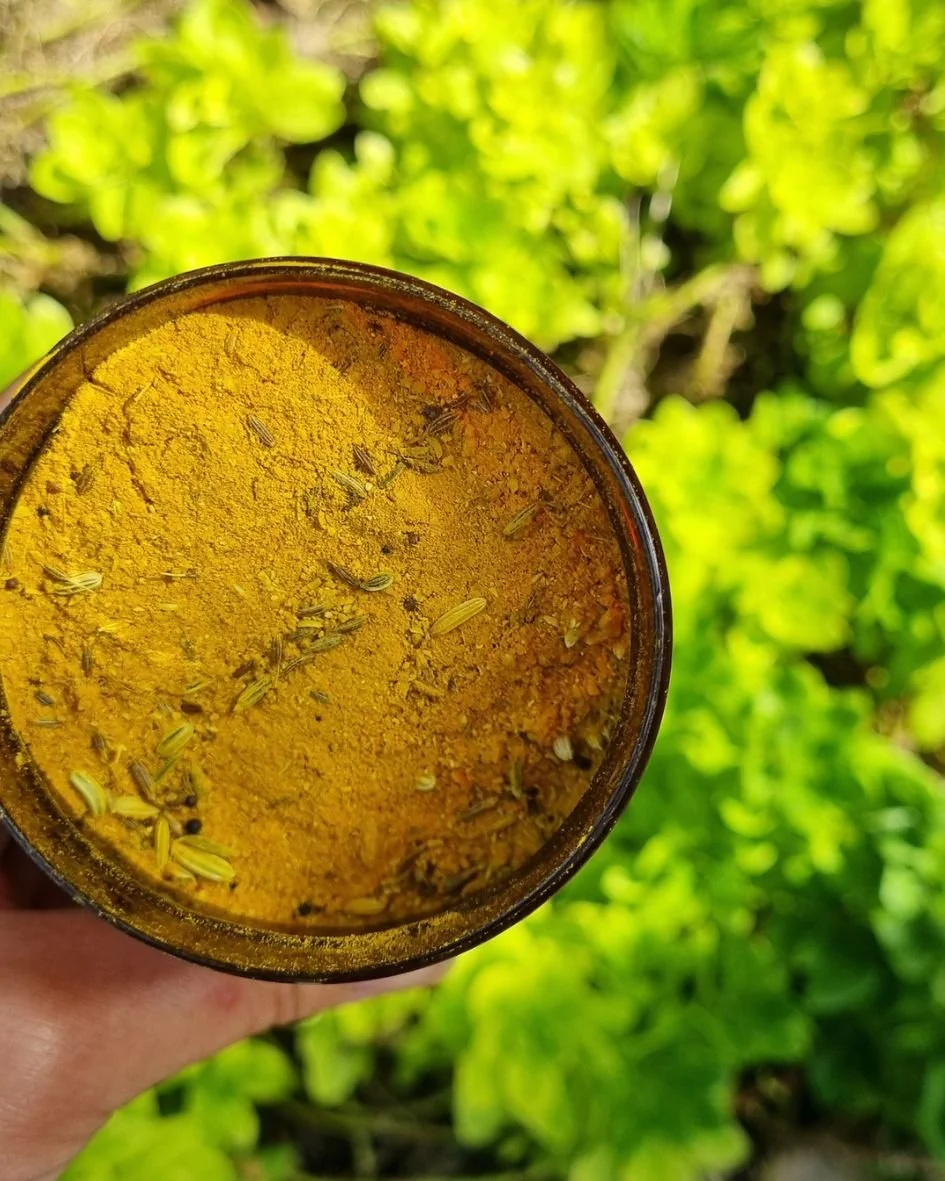
Make it your own
Kitchari is one example of a simple, nourishing meal. You can adapt it to the ingredients available in your region, your family's food traditions and what you enjoy eating.
Rice and mung dal aren't essential to a nourishing diet. If these ingredients aren't accessible or suitable for you, you can apply the same idea to a familiar dish made with local grains, legumes and vegetables.
The aim is not to cook perfectly. It's to make food that feels satisfying, accessible and enjoyable.
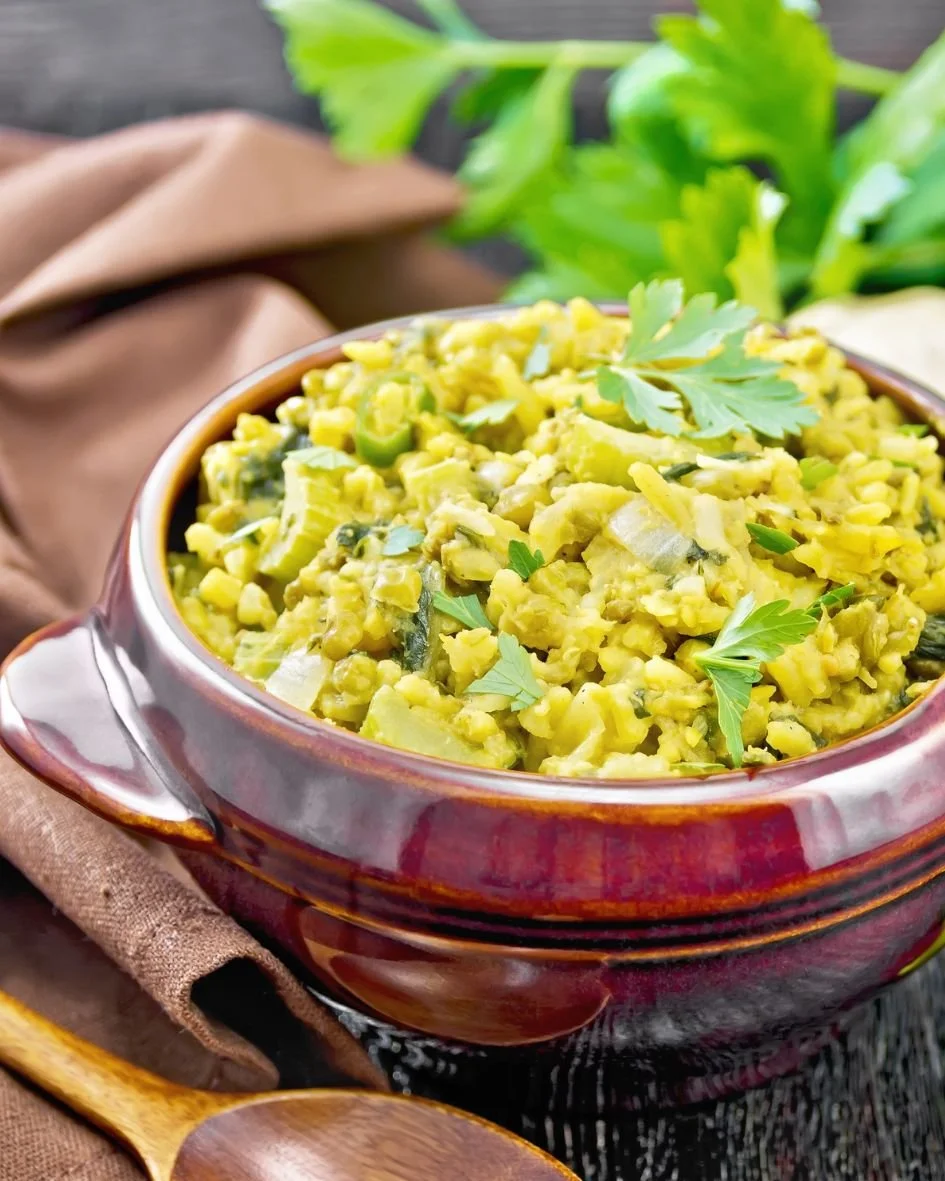
WHAT IS GHEE?
Ghee is clarified butter. It is made by heating butter gently to remove most of its water and milk solids.
It has a long history in South Asian cooking and is also used in Ayurvedic food traditions.
In Ayurveda, ghee is traditionally considered nourishing. In cooking, it adds a rich flavour and can be used to cook spices and vegetables.
You don't need ghee to make kitchari or any other nourishing meal.
Olive oil, coconut oil, butter or another cooking fat can be used depending on your preferences, dietary needs and what is available where you live.
No single ingredient is necessary for everyone.

A SENSORY AUTUMN WALK
A simple practice of slowing down and opening the senses
Take a walk somewhere you can move safely: a park, forest, garden, beach or another outdoor space.
You don't need a destination or a particular result. Simply notice your surroundings.

Start with your feet.
Feel the ground beneath you. Notice its texture, temperature and firmness as you walk.

Notice the air.
Feel it on your skin. Is it warm, cool, humid or dry? Notice the air moving as you breathe.

Look around.
Observe the trees, branches, plants and leaves. Notice their shapes and colours. Watch the light and shadows, or a leaf moving in the wind.

Listen.
Notice the sounds around you: footsteps, birds, wind, people, traffic, the sea or quiet.
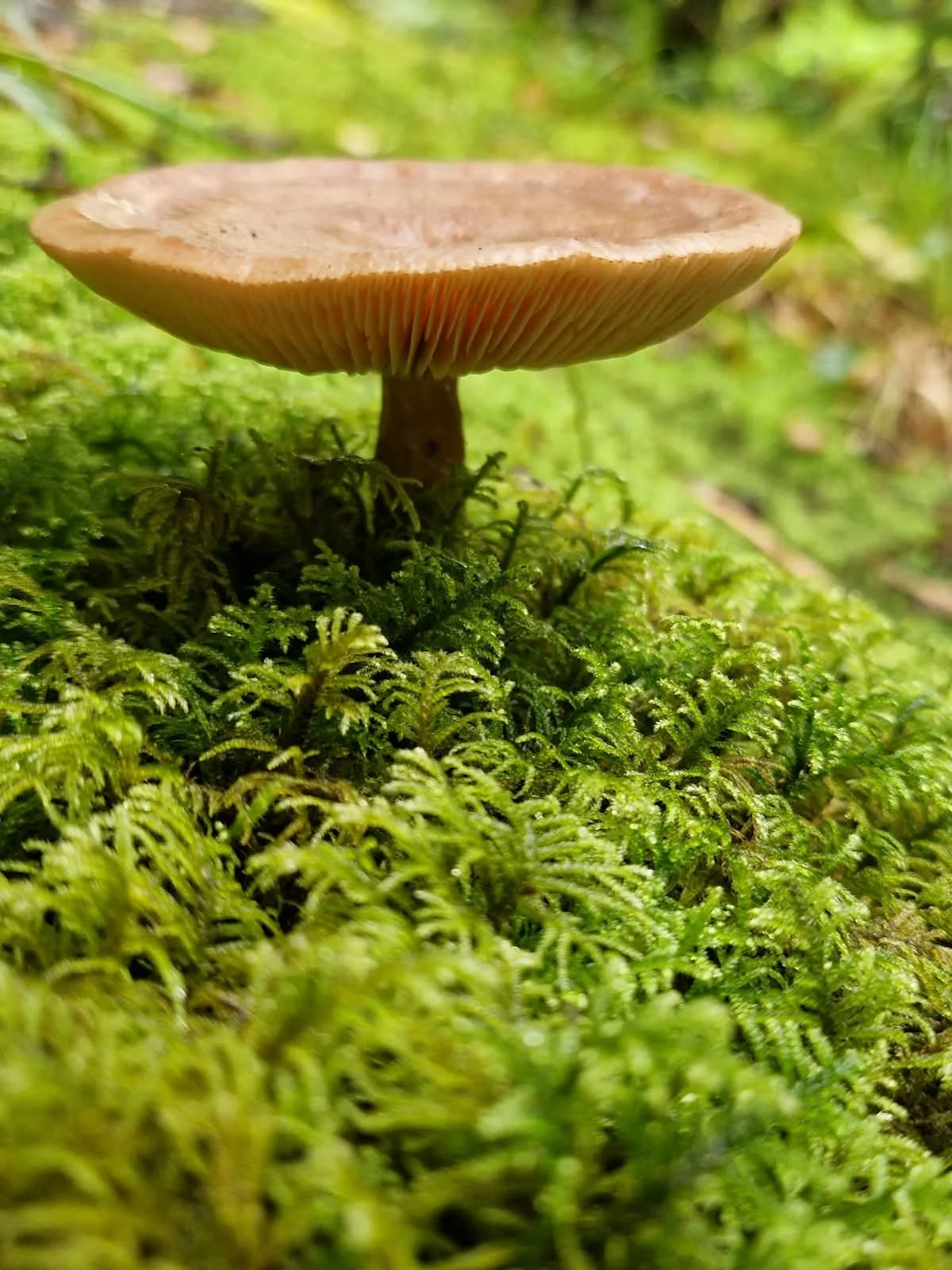
Notice the smells.
Perhaps you can smell earth, plants, trees, rain or the sea.
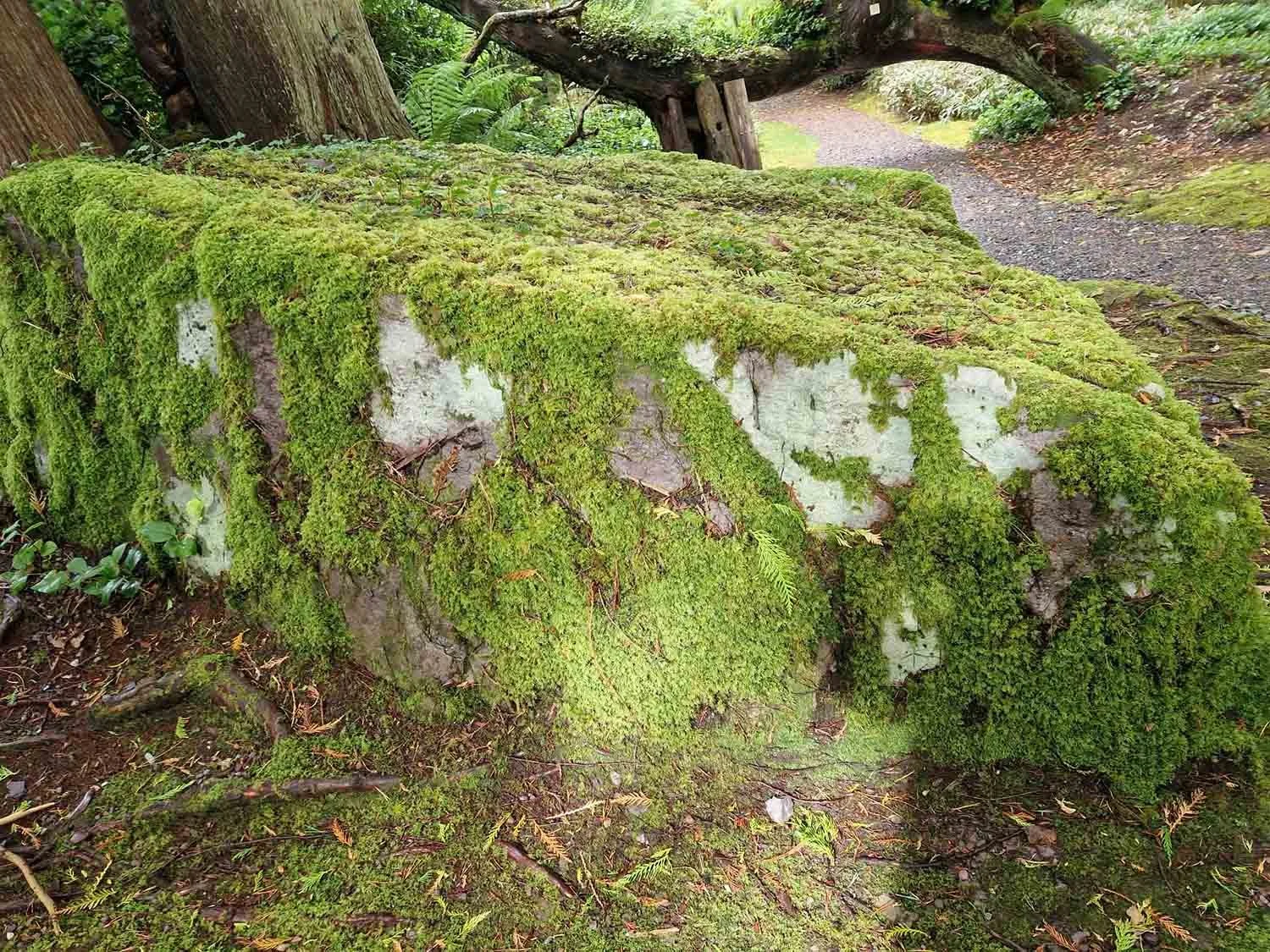
Explore touch.
If you like, touch a tree trunk, a fallen leaf or a stone. Notice the texture and temperature.
Finally, notice taste.
If you have brought a piece of fruit or a drink, take a moment to experience its flavour and texture.
Then let all your senses remain open at once.
Feel your feet, the air on your skin, the sounds around you and the landscape in front of you.
There is nothing to analyse and no lesson to find.
Simply walk and observe.
THIS WEEK'S CHALLENGE — ONE MINDFUL MEAL
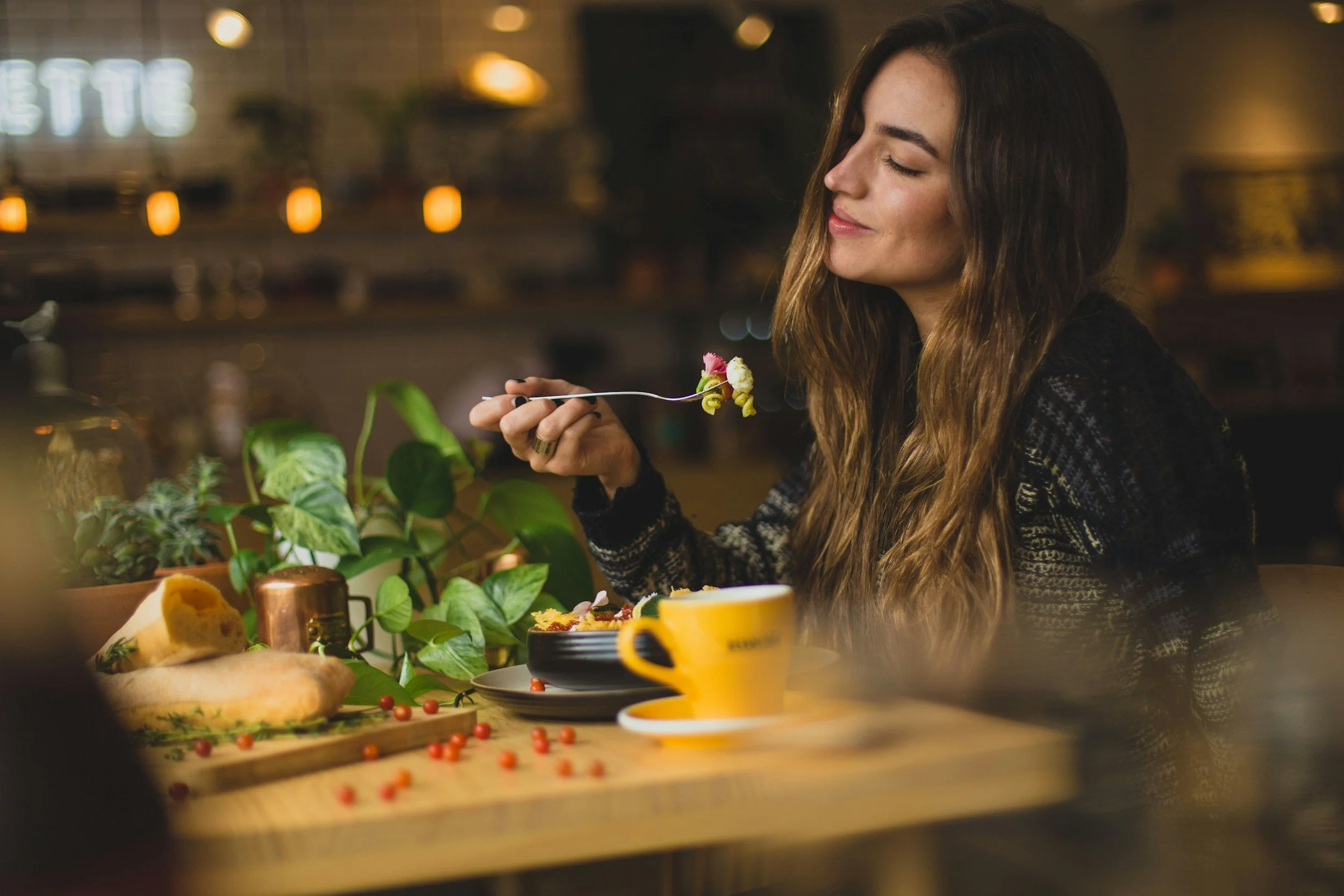
Choose one meal this week and, if possible, eat without your phone, computer or television.
Before you start, take a moment to look at your food.
Notice the colours, textures and smells.
As you eat, slow down enough to taste the food. Notice its temperature, flavour and texture. Chew and pause between bites when it feels natural.
You don't need to change what you eat or follow any rules.
Simply give yourself the experience of paying attention to one meal.
Afterwards, ask yourself:
Did anything feel different when I ate this way?
JOURNALING — THE AUTUMN HARVEST
At the end of the week, take a few minutes to write, if you feel like it.
What have I grown, created or learned this year?
What has nourished me?
How does the balance between giving and receiving feel at the moment?
What helps me feel comfortable and supported in my body?
What would I like to carry with me into the next season?
Is there anything I am ready to leave behind?
There are no right answers. You can write as much or as little as you like.

GRATITUDE & BEAUTY
Nourishment can also come from noticing what is already around us.
Take a moment to recognise something that has brought you comfort, joy or connection recently.
It could be a meal, a conversation, the sea, a tree, a moment of rest, a place that feels like home or something that made you laugh.
You don't need to force yourself to feel positive or grateful.
Simply notice what you appreciate, when it is there.

YOUR NOURISHMENT RITUAL
At the end of the week, choose one or two things from this resource to bring into your everyday life.
Cook: Prepare a familiar, nourishing meal or try the kitchari recipe.
Drink: Make an infusion or enjoy your favourite drink without rushing.
Move: Try the gentle yoga or somatic practice.
Walk: Spend some time outdoors and explore your senses.
Pause: Give yourself a few minutes without another task to complete.
Reflect: Write down one thing that has nourished you this week.
You don't need to do everything.
Choose what feels accessible and useful for you, in your own climate, culture and circumstances.
Nourishment isn't about following a perfect routine. It's about discovering what helps you feel cared for, supported and well.