
The Womb Ecologist - Kai
Travel the Wombscape: roots, rhythms, renewal. Where the womb’s secrets meet life’s greater rhythms
The womb is not a mechanistic endeavour.
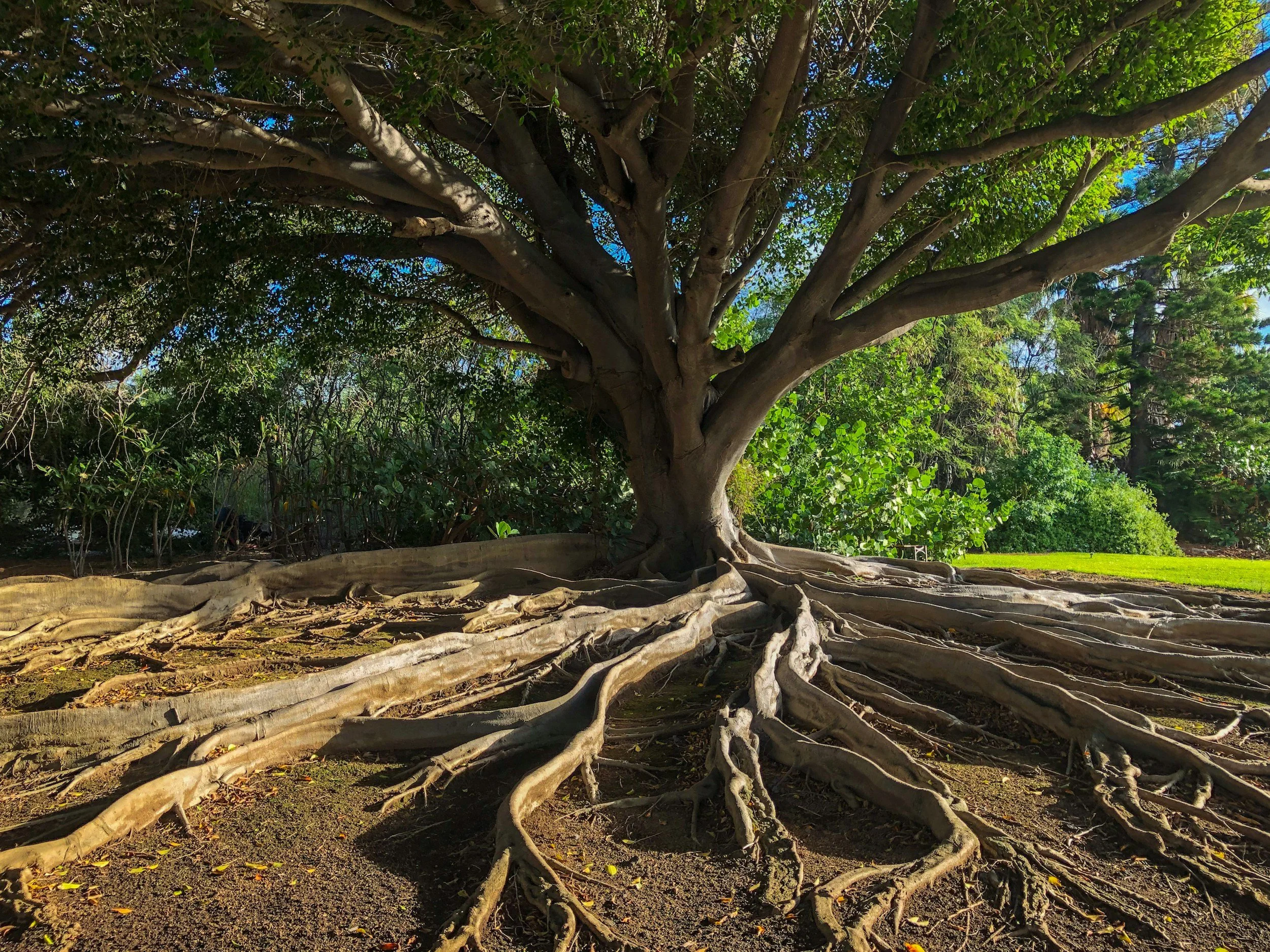
She is soil, water, seasons, and secret roots.
She blooms, rests, and renews in a rhythm older than any calendar.
To tend to her is to tend to an entire landscape; one that lives inside you and listens to the life around you.
To truly tend, we must travel the wombscape.
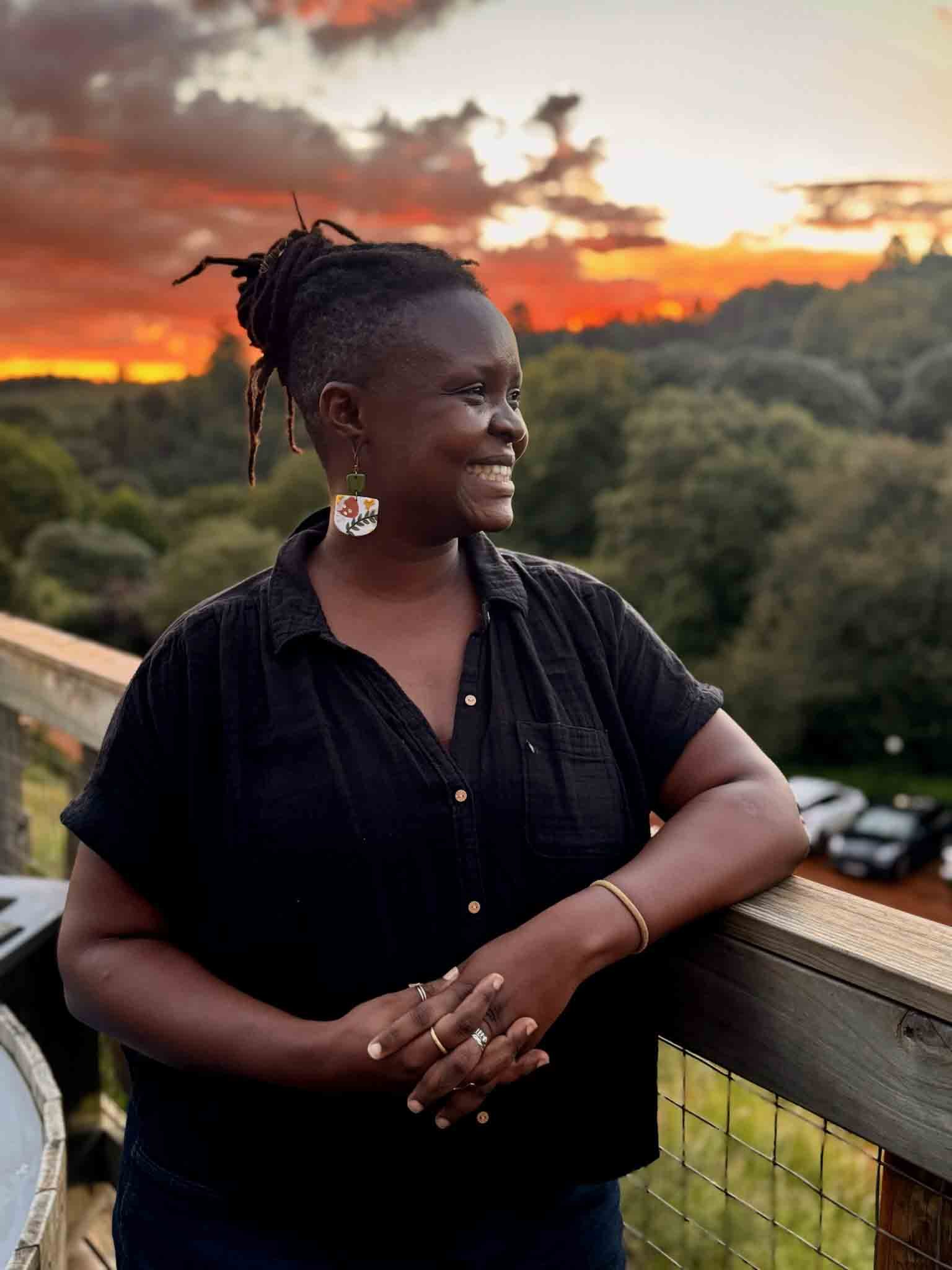
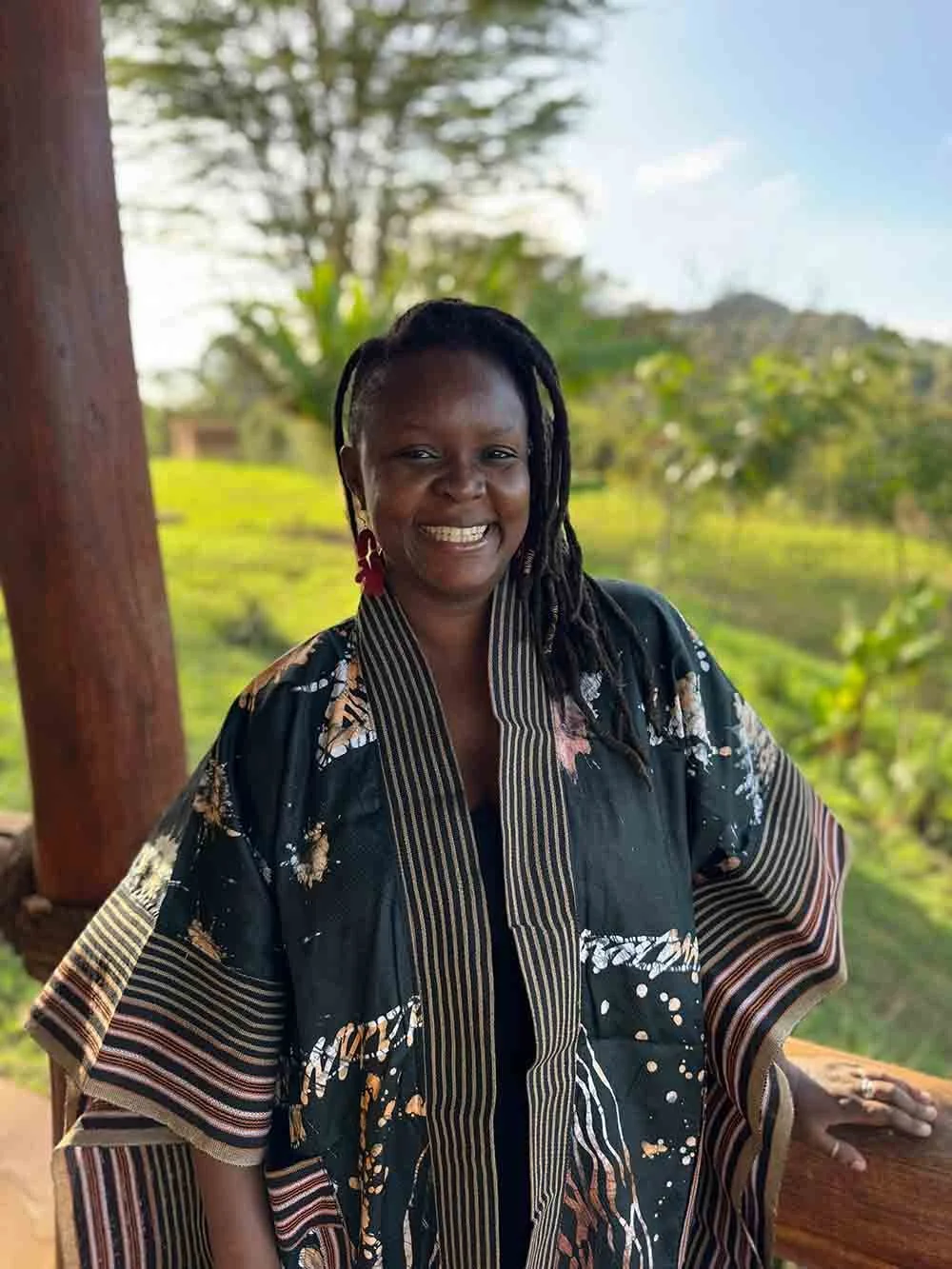
I’m Kai,
I am a birth worker, regenerative systems designer, and community weaver. My work is rooted in the knowing that we are not separate from Nature — we are Nature.
From this place, I support women and communities through thresholds of birth, change, and becoming, offering clarity, compassion, and grounded guidance.
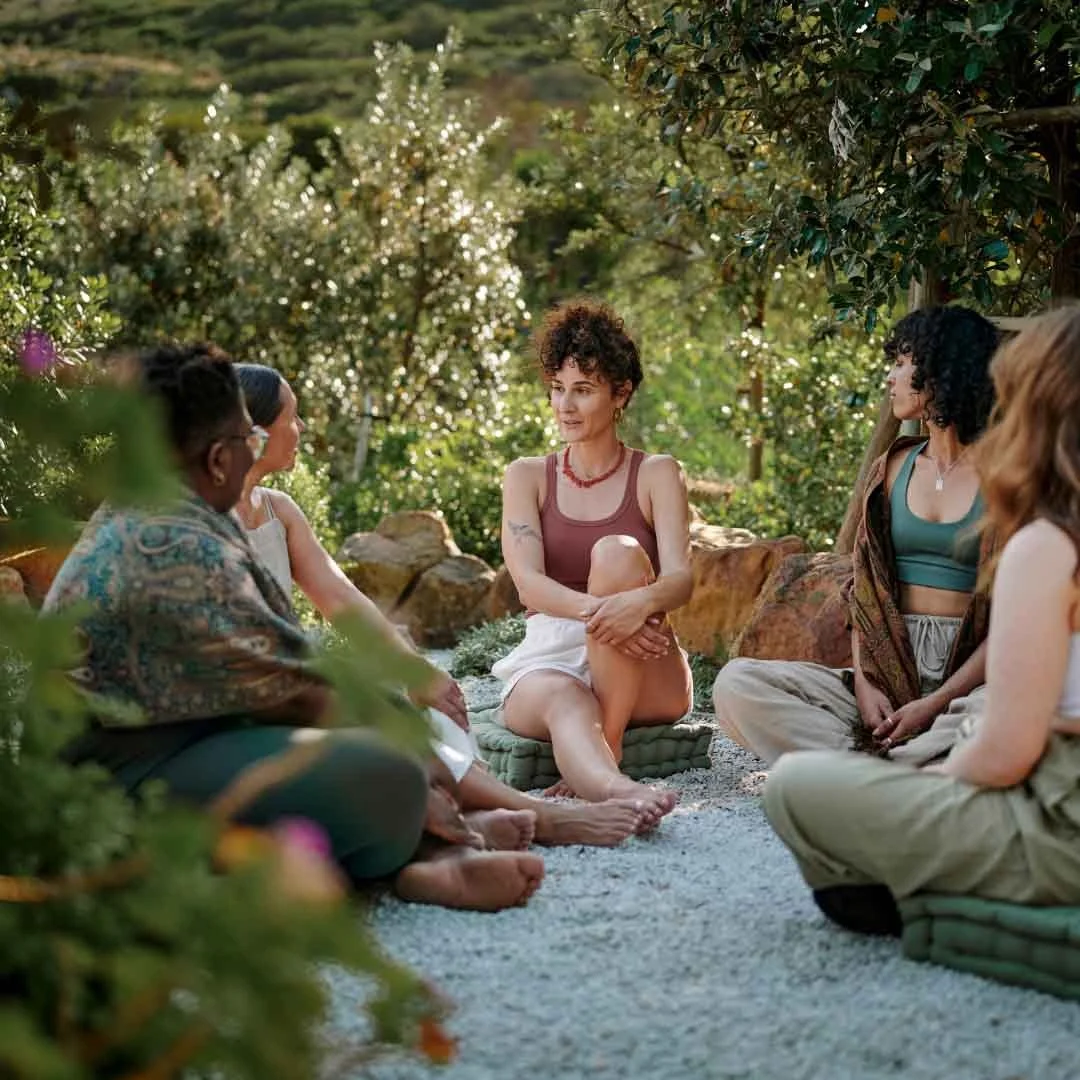
Womb ecology is at the heart of my work: the understanding that the health of women is inseparable from the health of the planet.
I support people in cultivating embodied, reciprocal relationships with the womb — relationships that ripple outward into how we live, love, raise our children, and care for the Earth.
My guidance weaves the emotional, spiritual, and practical, helping you root more deeply into yourself, your relationships, and the wider world.
The Womb Ecologist’s Way is an invitation to remember what we have always known.
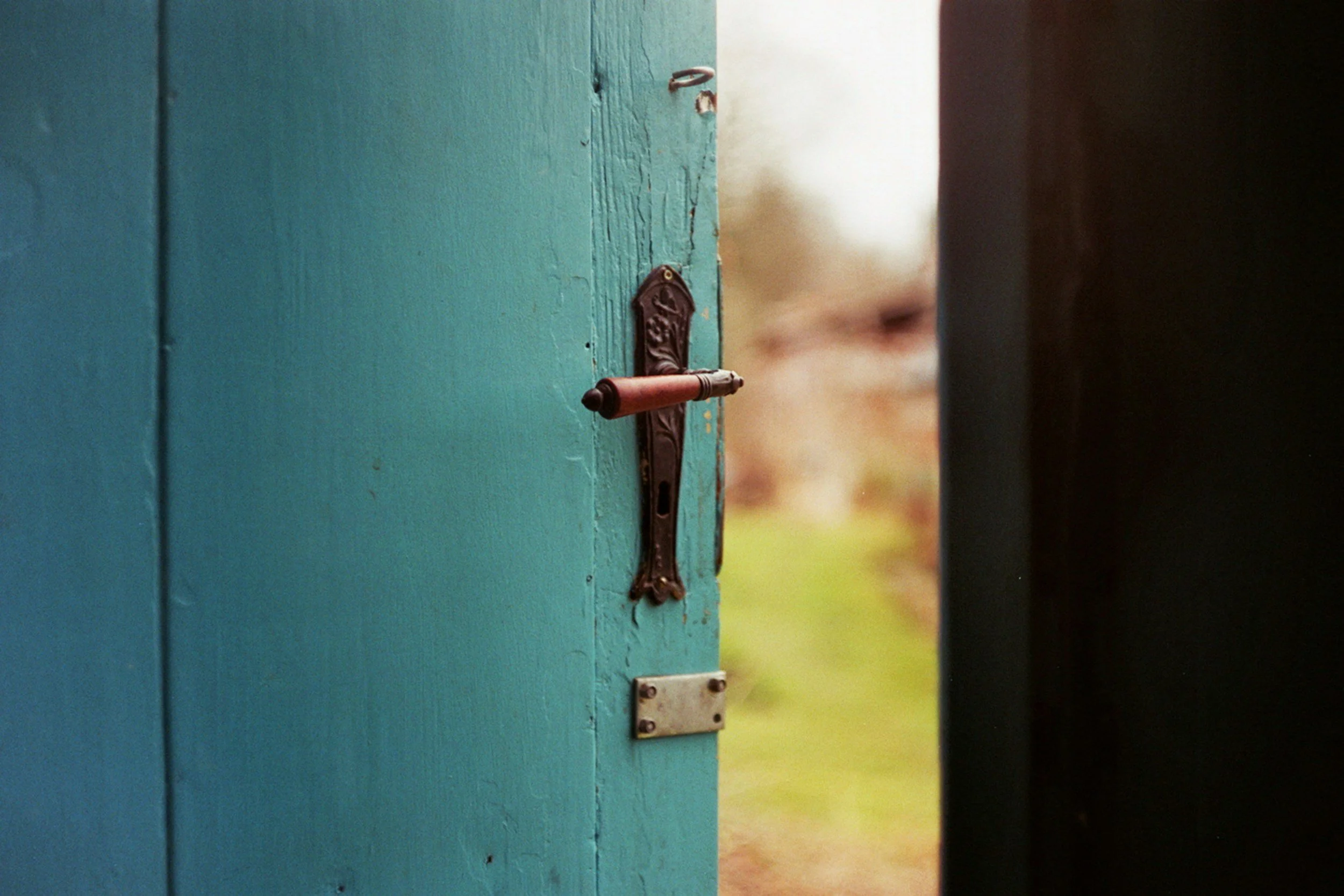
It is an open door welcoming you home.
You are The Womb Ecologist and this is your Way.
Welcome home sister.
Whether stepping into new cycle of rebirth, preparing for conception and birth or moving through pregnancy or the postpartum season, this is a space to soften, listen, and to remember that the way we care for the womb, in ourselves and in each other, shapes the future we are growing together.
About Womb Ecology
Womb ecology is more than a concept - it is a living philosophy, a way of seeing and tending that connects the most intimate aspects of women’s health with the wider landscapes of life.
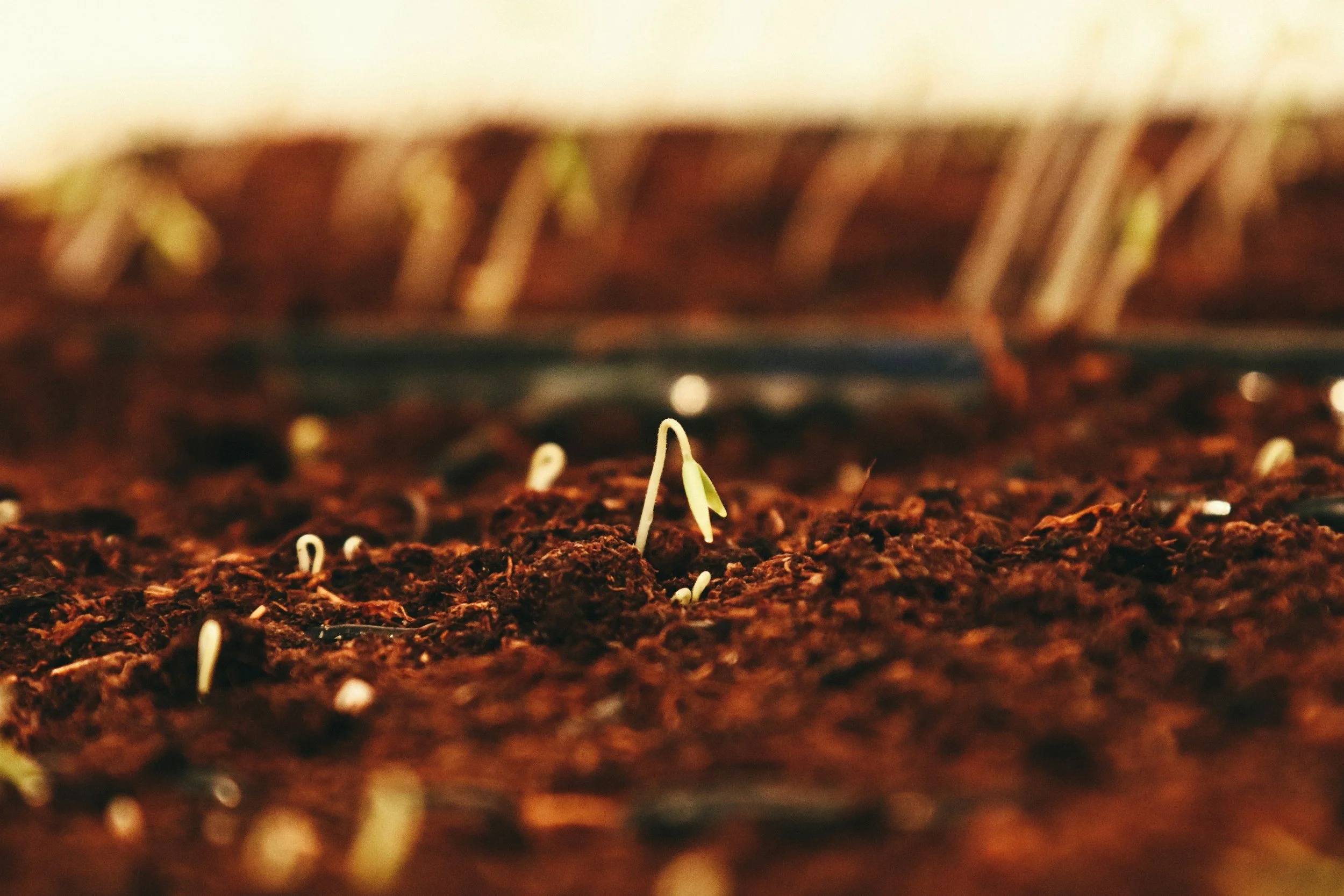
When we speak of womb ecology, we begin close in: with the womb as an ecosystem, holding its own rhythms, cycles, and seasons. Here we explore women’s sexual and reproductive health, not as something isolated, but as a living garden - full of seeds, soil, and roots.
From there, we zoom out. We look at the factors that shape whether the womb exists, thrives, or declines. The emotional, psychological, physical, and spiritual landscapes that live within us. And further still, we step into the social, economic, political, and ecological fields that surround us, shaping the womb’s reality.
Womb ecology is therefore a work of scales and layers:
Microscopic: a close look into the womb’s ecosystem.
Mesoscopic: a lens on the factors impacting the physical, emotional, psychological, and spiritual.
Macroscopic: a view of the wider social, economic, political, and ecological landscapes.
In this space, we gather to listen, learn, and remember — so that by rooting deeper into the wisdom of the womb, we may align more fully with ourselves, each other, and the living world.
What Does It Mean to Tend to Womb Ecology?
The womb is not a mechanistic endeavour. She is soil, water, seasons, and secret roots. She blooms, rests, and renews in a rhythm older than any calendar. To tend to her is to tend to an entire landscape; one that lives inside you and listens to the life around you. To truly tend, we must travel the wombscape.
What Does It Mean to Tend to Womb Ecology?
The womb is not a mechanistic endeavour. She is soil, water, seasons, and secret roots. She blooms, rests, and renews in a rhythm older than any calendar. To tend to her is to tend to an entire landscape; one that lives inside you and listens to the life around you. To truly tend, we must travel the wombscape.
When I think of the womb as an ecosystem,
I see five interwoven landscapes that call for our care:
Soil Health – The Fertile Ground of Hormones
Our hormones are the soil from which vitality grows. They need nourishment, rest, and balance — just as the Earth’s soils do.Biodiversity – The Microbiome’s Hidden Wild
A healthy wombscape flourishes in diversity. The microbiome teaches us that resilience comes from variety — within the body, the spirit, and our communities.Water Flow – Blood and Lymph as Rivers of Life
Movement sustains life. Flowing blood and lymph keep the womb alive and remind us of the rivers and tides that sustain the Earth.Pollinator Protection – Boundaries of Heart and Body
Every thriving garden protects its pollinators. We are called to safeguard intimacy, joy, and trust, choosing carefully what we allow to touch us.Seasons and Cycles – Living in Rhythm
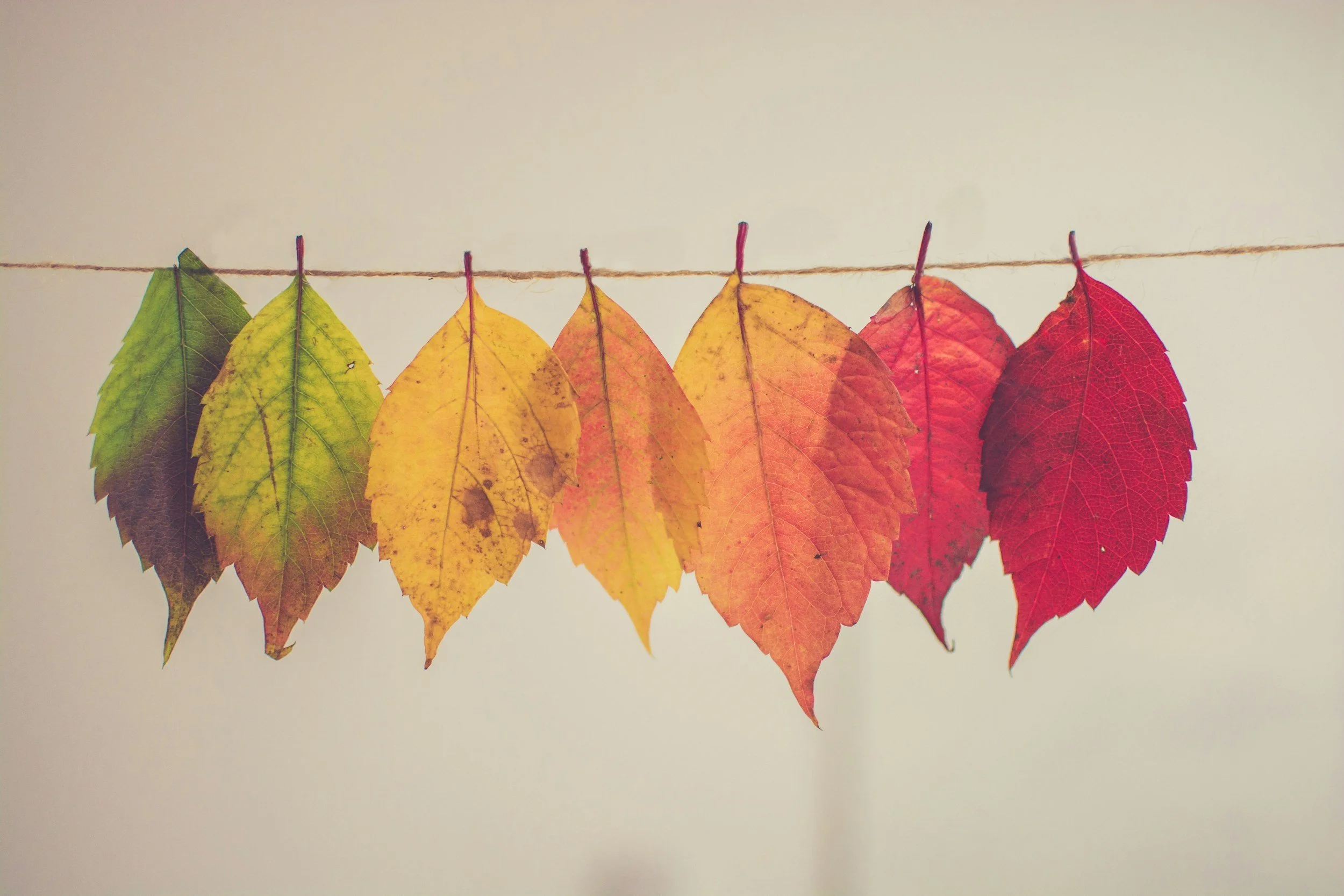
The womb moves in cycles of sprouting, blossoming, ripening, and releasing. By honouring these tides in ourselves, we remember the rhythms of the Earth.
Placing the womb at the centre is not a romantic ideal, but a practical blueprint for regeneration. It is where birth and death, nourishment and grief, pleasure and renewal all meet. How we tend the womb — in ourselves, in each other, and in our communities — is how we tend the whole of life.
What I believe
For me, the womb is not just a place, but a way of seeing, a guide, and a sacred space of remembering — a space where we can reconnect with our own rhythms, wisdom, and cycles of life.
In these spaces, the layers of body, mind, and spirit are honored, and the quiet intelligence of nature teaches us how to root, grow, and bloom.
It is from this place that I teach, hold space, and support others in stepping fully into their own becoming, nurturing both the inner landscape and the wider world around them.
Explore With Kai
In this space, I share practices, tips, and guidance for womb health, and in the future will offer group sessions, workshops, and (mini) courses to support your journey.
If you have questions or would like personal guidance, do reach out. I meet you where you are and support you as we walk in The Womb Ecologist’s Way.
Learn more about me and my work here: https://linktr.ee/kainjeri